Green Building and Sustainable Infrastructure

Sustainable Materials and Construction
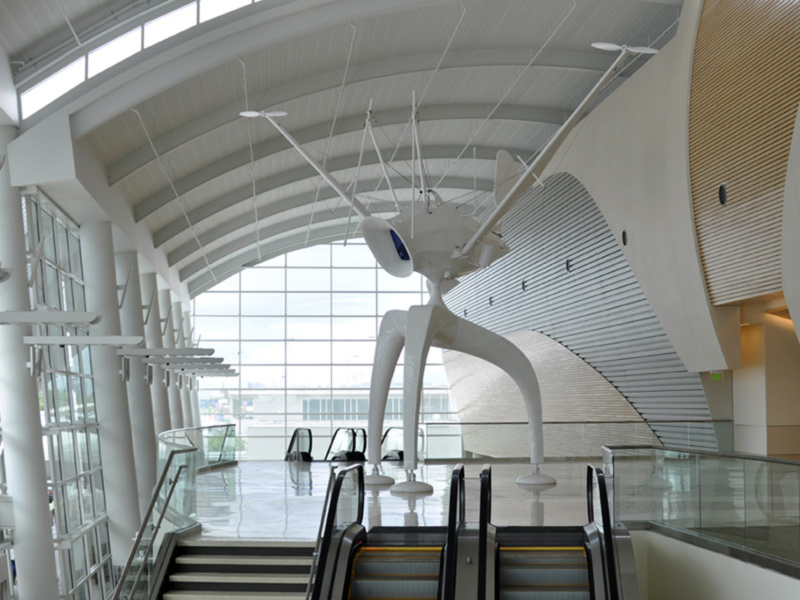
SJC integrates sustainability into capital projects through responsible material selection and construction practices aligned with the City of San José’s resource efficiency and circular economy goals. Major facilities, including Terminal B, were designed to meet LEED standards and incorporate environmentally responsible materials. Construction practices emphasized waste diversion and reuse, with the majority of construction and demolition materials – including concrete, steel, wood, drywall and packaging – recycled or repurposed where feasible. Recycled content was also incorporated into key building materials such as structural steel, carpet, and tile, while salvaged airfield pavement was reused as base material for new infrastructure. These approaches reduce landfill impacts and support more sustainable lifecycle management of Airport assets.
Terminal B was designed to meet Leadership in Energy and Environmental Design (LEED) standards and incorporate materials that minimize environmental impact while supporting local and regional industries. More than 50% of the wood used was Forest Stewardship Council certified, and approximately 90% of construction waste (e.g., concrete, steel, wood, drywall, and packaging) was recycled or repurposed. Recycled content was incorporated into primary materials such as structural steel, carpet and tile, while demolished apron pavement was reused as base rock for new airfield surfaces. These choices support the City of San José’s goals for resource efficiency and circular material use.
Energy Efficiency and Clean Power
SJC facilities are designed and operated to reduce energy demand and increase efficiency through high-performance building systems. Terminal buildings exceed California Title 24 energy standards through measures such as occupancy-based lighting controls, advanced glazing, and centralized heating and cooling systems that improve efficiency compared to traditional distributed systems. Energy use is further reduced through daylighting strategies, high-reflectance roofing and energy-efficient wayfinding signage.
Electricity used in terminal operations is supplied through 100% renewable energy via San José Clean Energy, supporting the City’s broader decarbonization strategy. On-site renewable generation, including a 1 MW solar array at the Consolidated Rental Car Center (ConRAC), helps offset operational energy demand and supports electric vehicle infrastructure and related airport services.
Healthy Buildings and Indoor Air Quality
SJC prioritizes indoor environmental quality through policies and design strategies that support passenger and worker health. The Airport’s green cleaning program uses Green Seal-certified products that reduce exposure to harmful chemicals while minimizing environmental impacts across their lifecycle. Flooring systems such as diamond-polished terrazzo reduce the need for chemical cleaning agents, relying primarily on water-based maintenance methods that improve long-term operational sustainability.
LEED Silver Certification
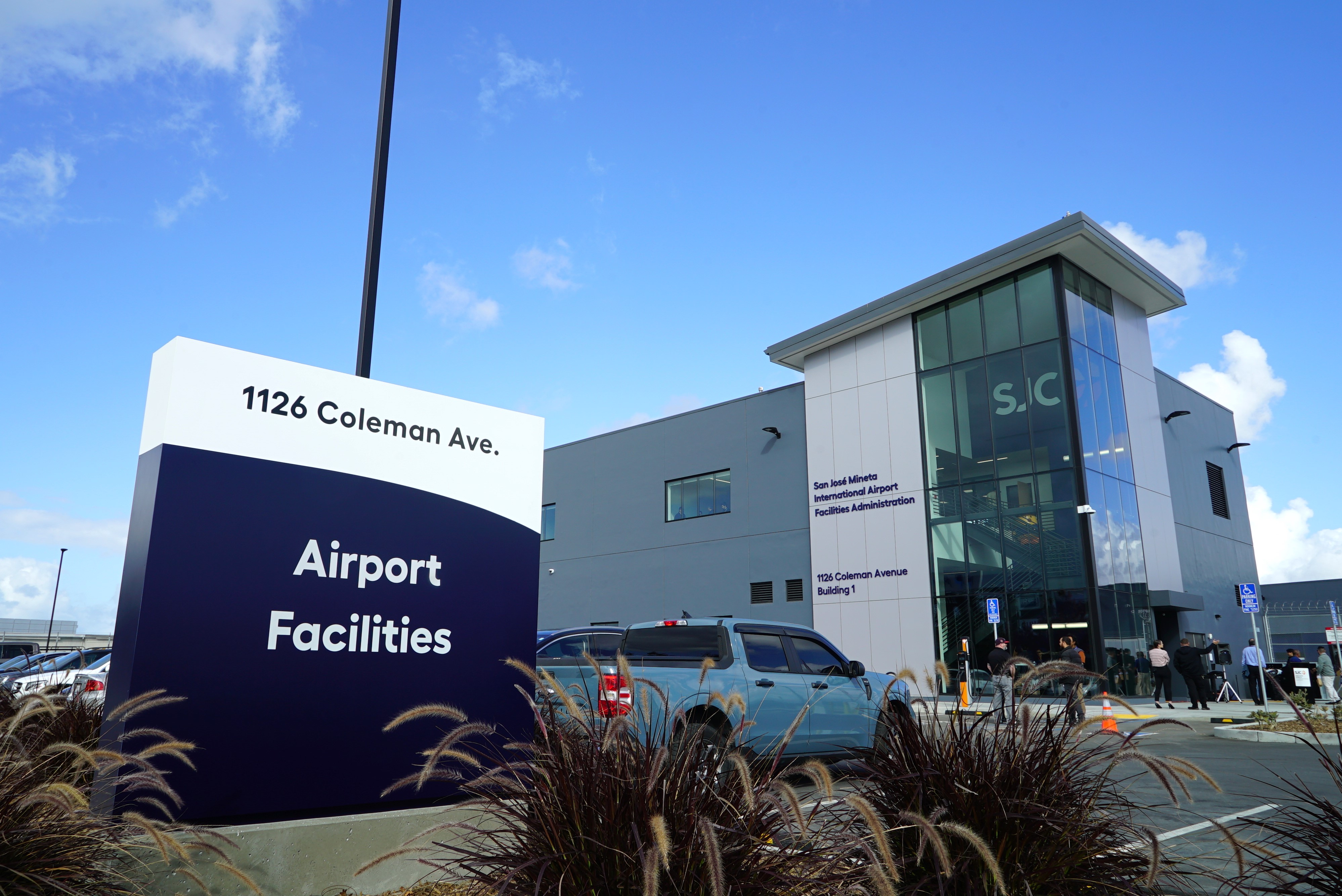
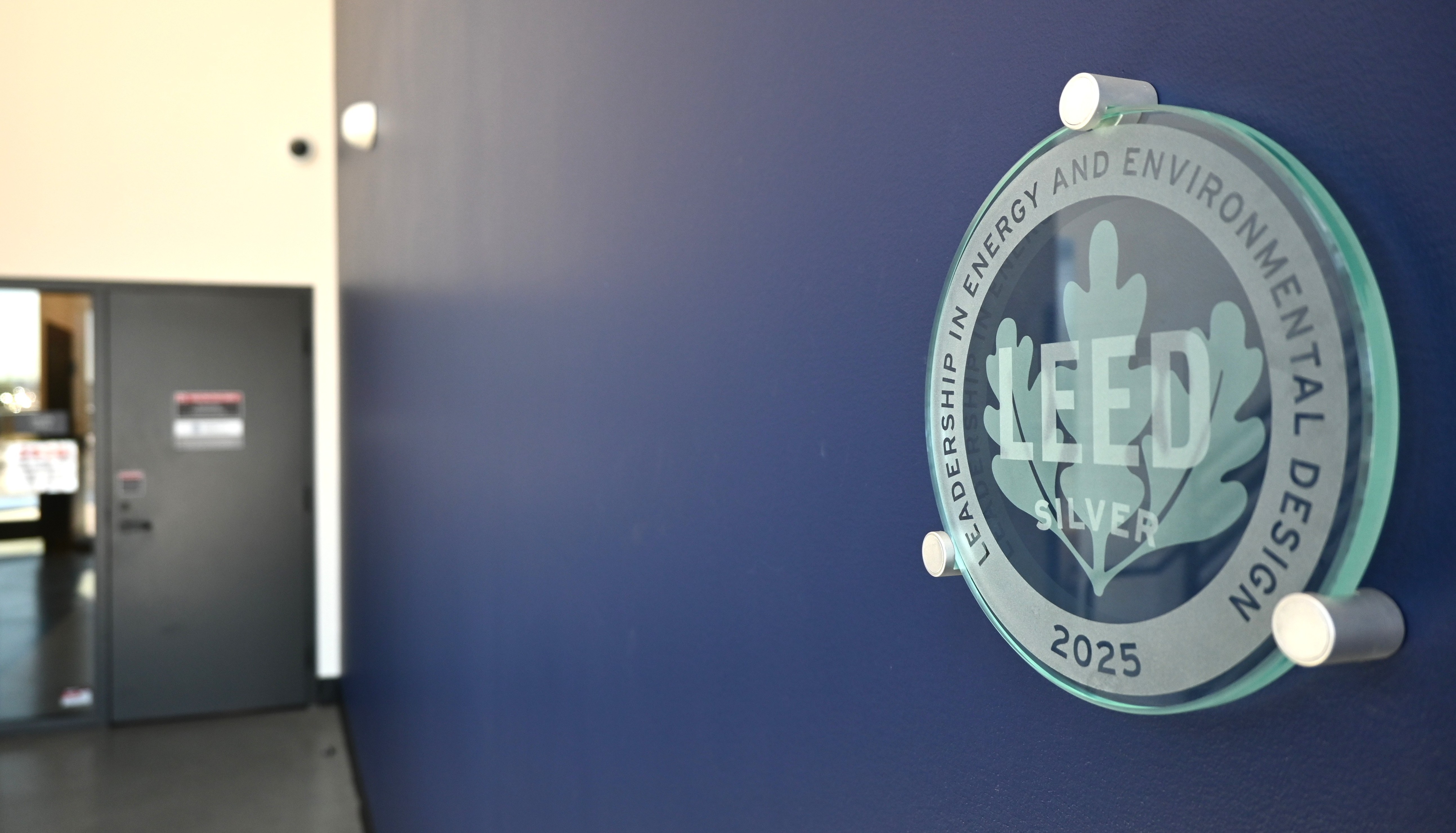
SJC has achieved LEED Silver certification for multiple facilities, including Terminal B, the Aircraft Rescue and Firefighting (ARFF) Facility and the Facilities Administration and Fleet Maintenance buildings. These certifications, issued by the U.S. Green Building Council, recognize performance in energy efficiency, water conservation, emissions reduction, indoor environmental quality and sustainable materials management. Together, these projects reflect SJC’s alignment with the Climate Smart San José goals and its broader commitment to low-carbon, resource-efficient infrastructure development.